Why Architecture Matters More in Luxury Real Estate
When people talk about luxury real estate, the conversation often starts with the obvious things.
The address. The square footage. The view. The number of bedrooms. The pool. The finishes.
All of those things matter.
But I’ve always been interested in what happens beneath the surface of those details.
Why does one home feel exceptional while another, with a similar price and similar specifications, simply feels like a house?
More and more, I think the answer comes back to architecture.
Architecture Shapes the Experience of a Home
Architecture isn't just about how a home looks from the street.
It determines how you move through it, where you experience natural light, how rooms connect, how you experience the landscape and how the home responds to its surroundings.
A beautifully designed home can make everyday life feel effortless.
You don't necessarily notice why.
You simply notice that it feels good.
That is one of the things I find most fascinating about architecture.
Luxury Is in the Proportion
One of the first things I notice when I walk into a home is proportion.
How high is the ceiling relative to the room?
How large are the windows?
How does the furniture relate to the scale of the space?
How do the openings frame the views?
A room doesn't have to be enormous to feel generous.
Sometimes a smaller, beautifully proportioned room can feel considerably more luxurious than a much larger space that hasn't been thoughtfully designed.
Good architecture understands scale.
Light Is Part of the Design
In Florida, light becomes especially important.
The direction of the sun, the size and placement of windows, the depth of overhangs and the relationship between indoor and outdoor spaces can dramatically affect the experience of a home.
Morning light feels different from afternoon light.
A western exposure can create a completely different environment from an eastern one.
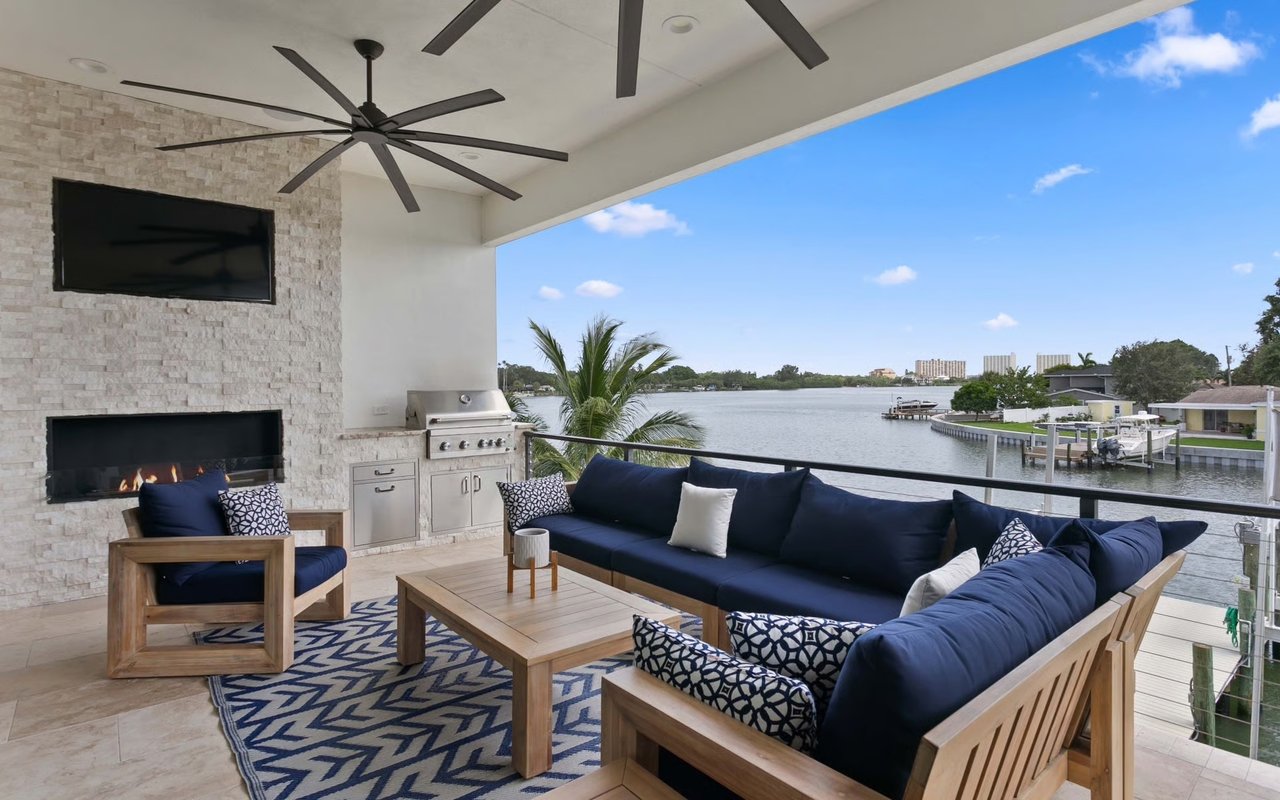
A covered terrace can make an outdoor room usable while also protecting the interior from intense afternoon sun.
These aren't simply aesthetic decisions.
They are architectural decisions that affect how a home is lived in.
The Best Homes Respond to Their Location
I think great architecture should belong to its surroundings.
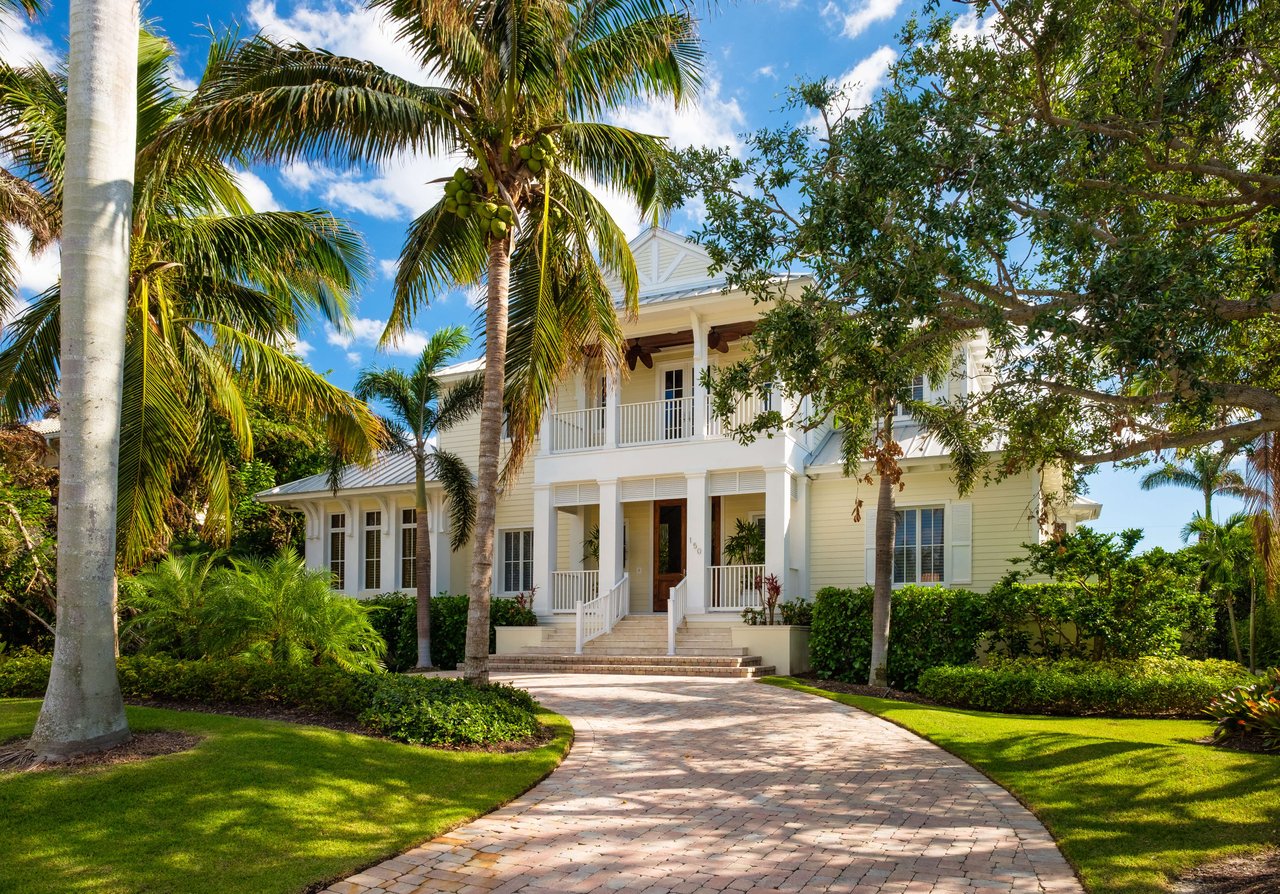
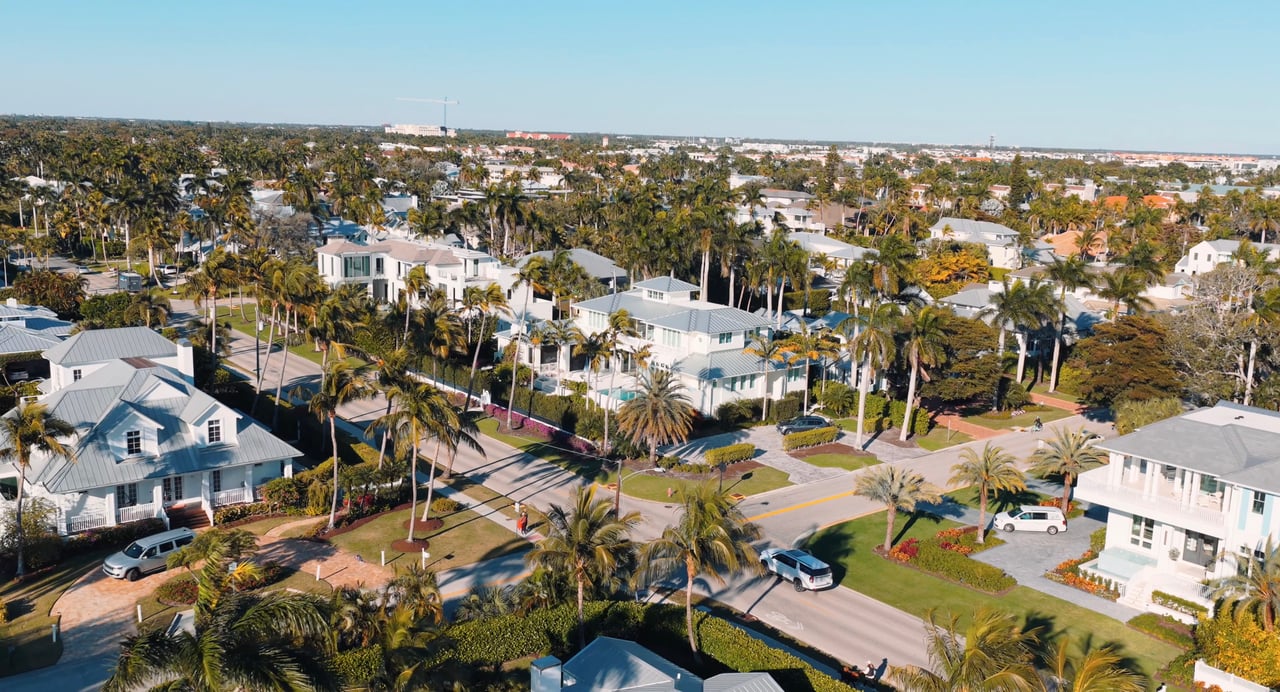
A home in Naples shouldn't necessarily look like a home in New York, Chicago or Los Angeles.
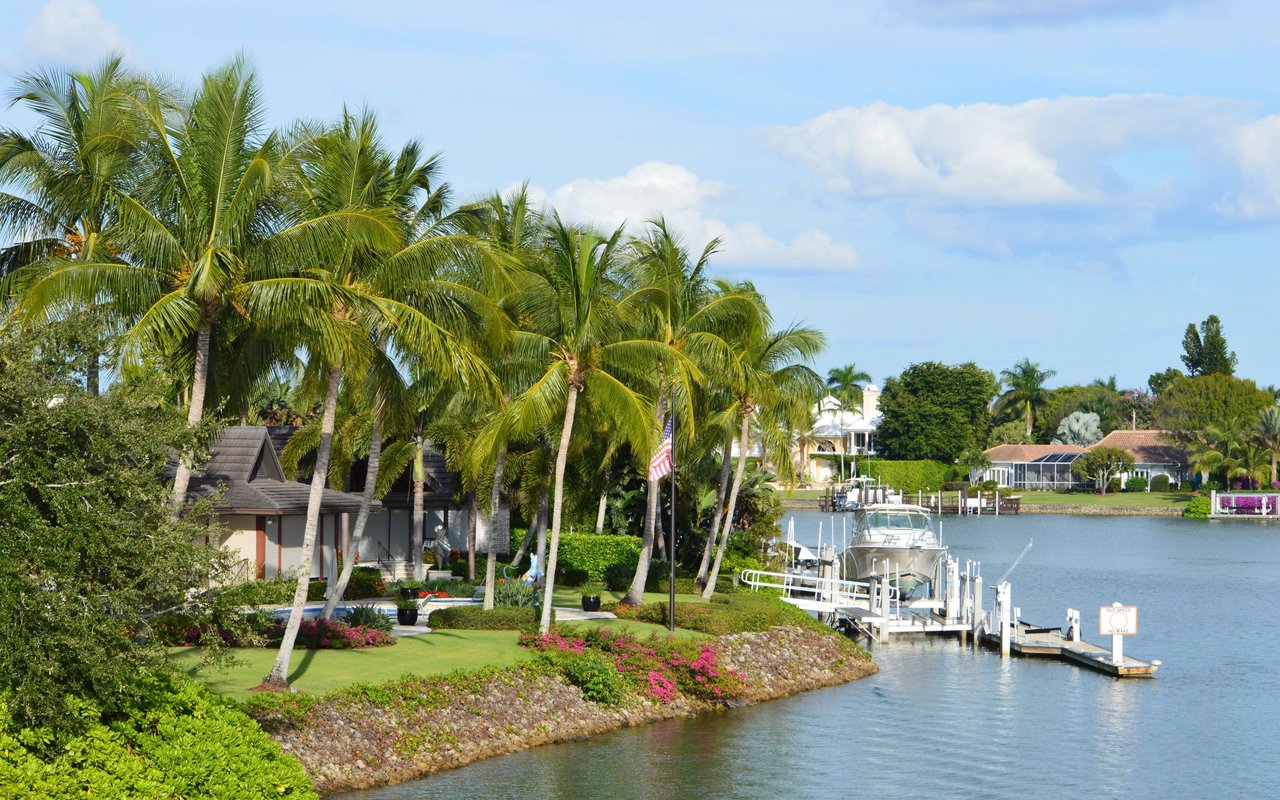
Florida gives us a very particular environment.
Water.
Sunlight.
Vegetation.
Warm temperatures.
Outdoor living.
The strongest architecture responds to those conditions rather than ignoring them.
That might mean creating deep shaded spaces, opening living areas toward the landscape or using materials that feel natural within the environment.
The goal isn't to create a home that could be anywhere.
It is to create a home that makes sense here.
Indoor and Outdoor Living Become One
One of the great advantages of living in Southwest Florida is the ability to live outside for much of the year.
Architecture can take advantage of that in meaningful ways.
A lanai can become an extension of the living room.
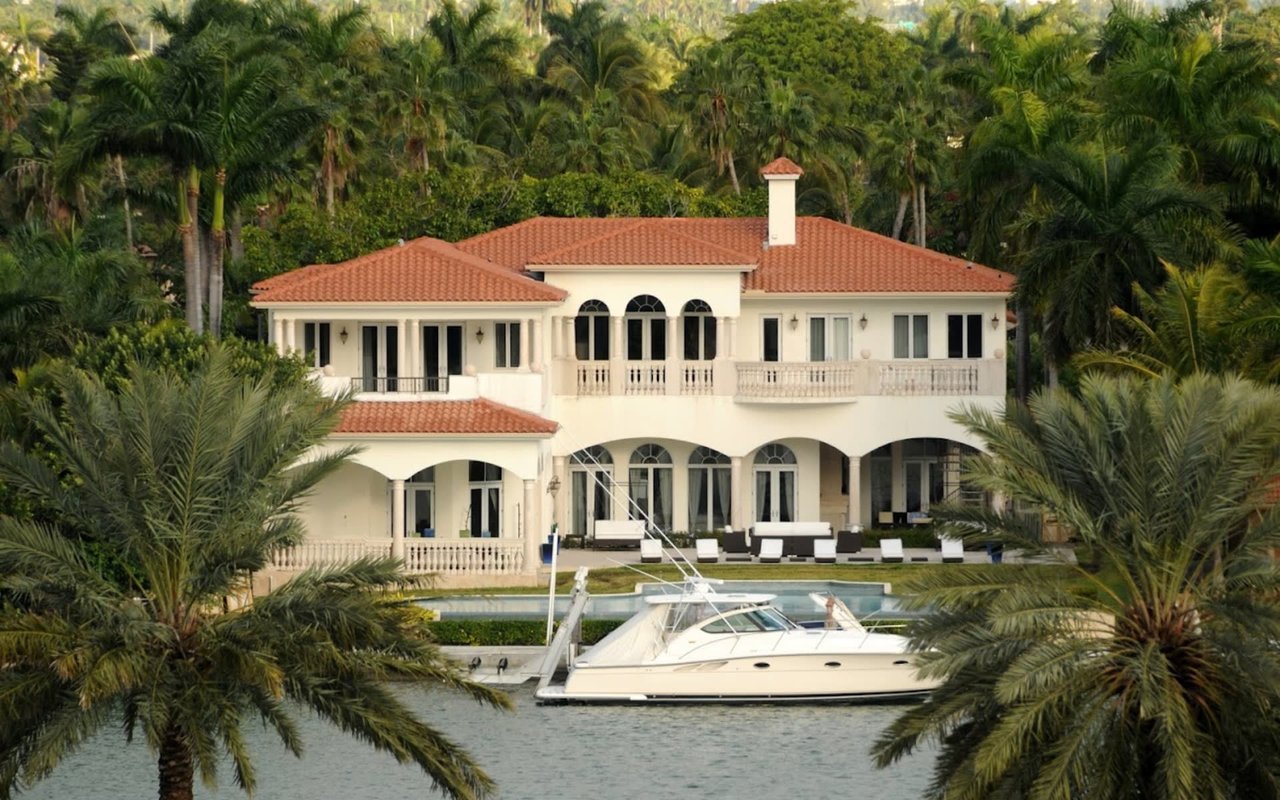
A pool can become a visual focal point.
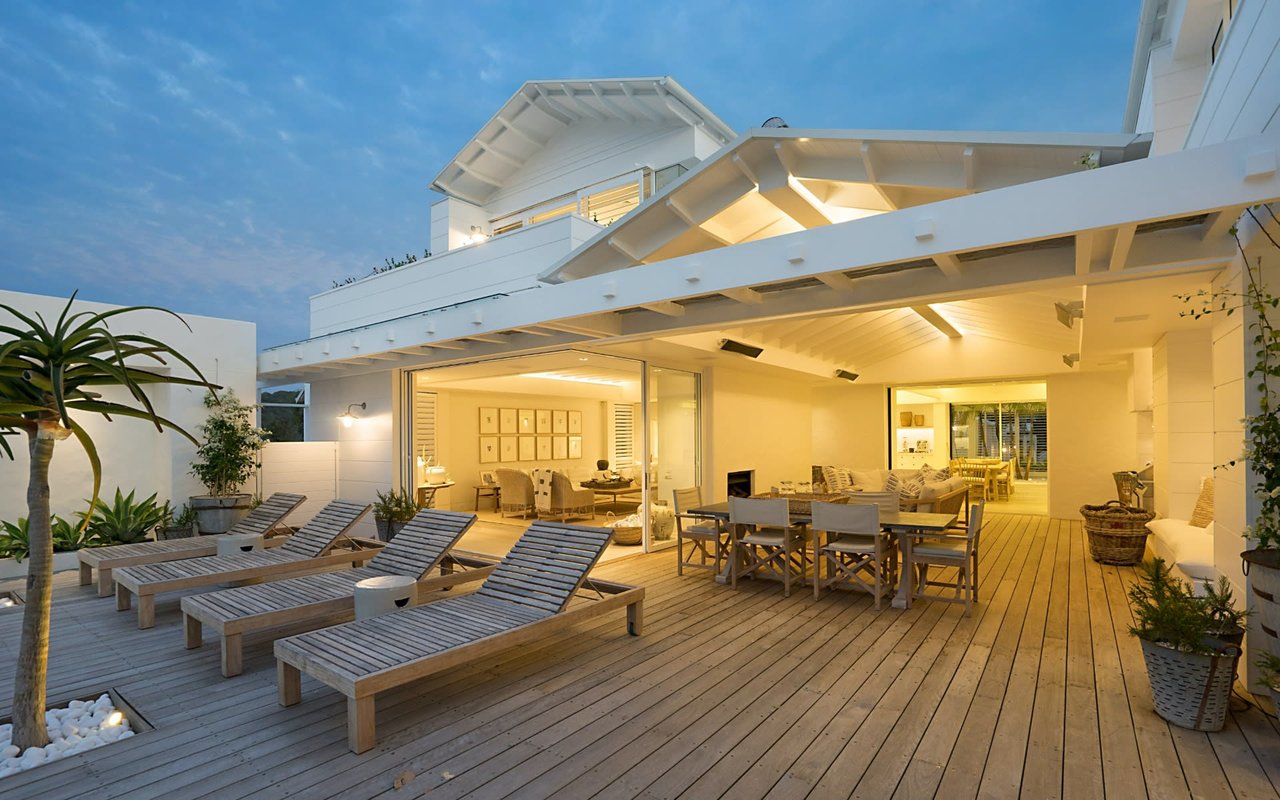
Sliding glass doors can completely change the relationship between interior and exterior spaces.
Landscaping can frame the architecture and create privacy.
When these elements are thoughtfully integrated, the boundary between inside and outside becomes much less defined.
That is a very Florida form of luxury.
Materials Tell a Story
Materials also have a significant impact on how a home feels.
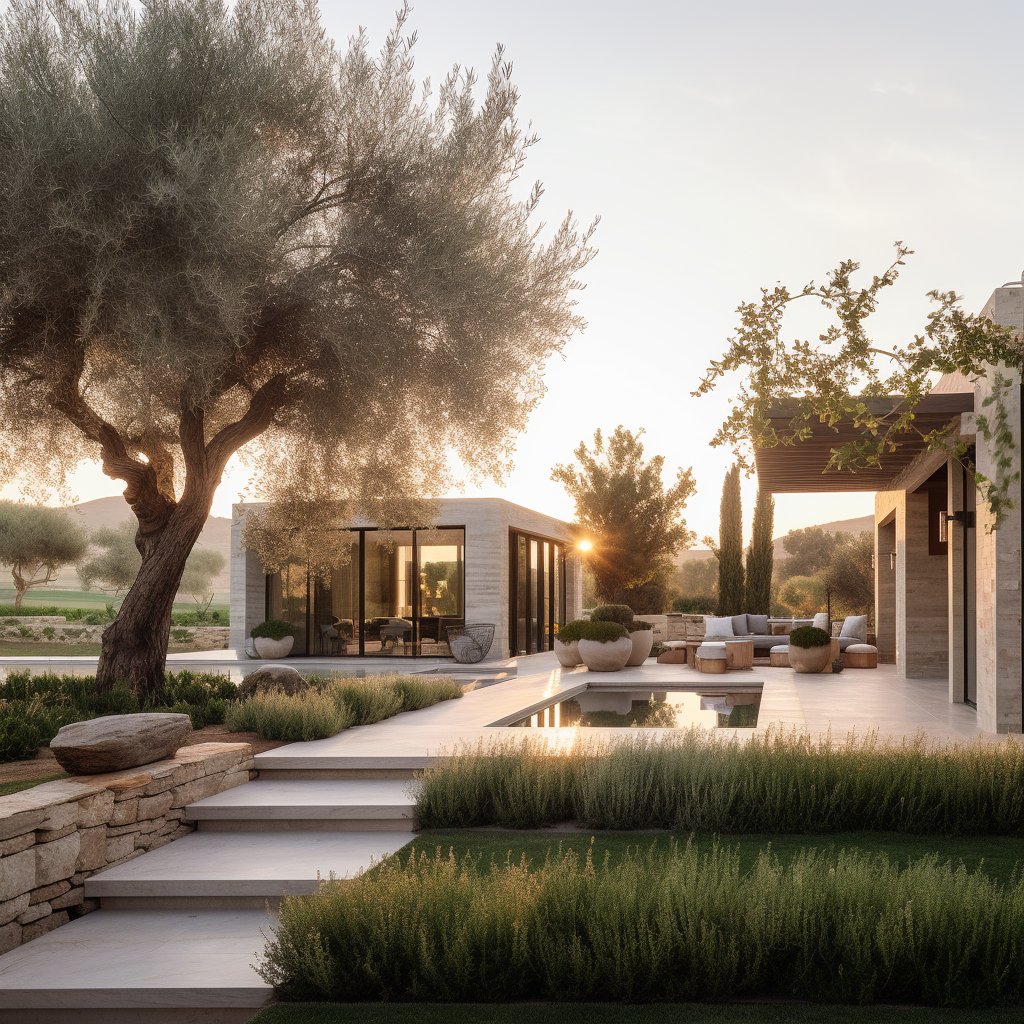
Natural stone, wood, plaster, limestone and other tactile materials can give architecture depth and character.
I tend to be drawn to materials that have texture and variation rather than those that simply announce their cost.
The most successful material palettes often feel cohesive rather than complicated.
There is a confidence in restraint.
Architecture Can Create Privacy
Privacy is another architectural consideration that can easily be overlooked.
The position of a home on its lot.
The placement of windows.
The orientation of outdoor living spaces.
The use of walls, courtyards and landscaping.
All of these can influence how private a home feels.
And in luxury real estate, privacy can be one of the most valuable qualities a property offers.
It isn't always something you can add later.
Sometimes it is inherent in the architecture and the site.
Architecture and Value
Does architecture add value?
I think the answer is more nuanced than simply saying that one architectural style is worth more than another.
The market ultimately determines value, and location, land, condition, construction quality and many other factors play significant roles.
But architecture can influence how buyers experience a property.
A well-designed home may make better use of its site.
It may capture views more effectively.
It may create better indoor-outdoor connections.
It may provide greater privacy.
It may simply feel more considered.
Those qualities can influence desirability, and desirability is an important part of real estate value.
Why This Matters When Buying
When you're purchasing a luxury property, it can be tempting to focus on the finishes.
Is the kitchen current?
Are the bathrooms beautiful?
Is the flooring desirable?
But those things can change.
Architecture is harder to change.
The orientation of the house.
The relationship to the lot.
The ceiling heights.
The window placement.
The overall proportions.
The connection to the landscape.
These are structural characteristics of the property.
They deserve attention before the finishes.
Looking Beyond the Photograph
Beautiful photography is important in luxury real estate.
But a photograph can only show you so much.
It can't always tell you how the light moves through the house.
It can't fully communicate the relationship between the interior and the landscape.
It can't tell you whether a room feels comfortable at different times of day.
And it certainly can't explain why a particular space feels special.
That is why I believe seeing a property in person still matters.
You experience architecture with more than your eyes.
A More Thoughtful Definition of Luxury
The more time I spend around architecture and luxury real estate, the more I appreciate restraint.
Not every room needs to be dramatic.
Not every finish needs to make a statement.
Not every space needs to be oversized.
Sometimes luxury is simply the feeling that someone thought carefully about how everything should work together.
The architecture.
The light.
The materials.
The landscape.
The views.
The way you move through the home.
The way you live in it.
For me, that is where architecture becomes particularly meaningful in luxury real estate.
It isn't simply about creating a beautiful house.
It is about creating an experience that feels natural, intentional and connected to its place.
And in Florida, that place is pretty extraordinary.
Shannon Bisnaire
Real Estate Advisor
Saltwater Luxury Group
John R. Wood Properties | Christie’s International Real Estate