What Makes a Property Ultra-Luxury? Naples vs. Palm Beach
When people talk about ultra-luxury real estate in Florida, two names inevitably enter the conversation: Naples and Palm Beach.
Both have extraordinary properties.
Both have highly desirable coastal locations.
Both have buyers who are looking for more than a beautiful house.
But the definition of rarity is not exactly the same in the two markets.
That distinction is interesting because it reveals something important about luxury real estate:
Ultra-luxury is not simply about how much a property costs. It is about what makes the property difficult to replace.
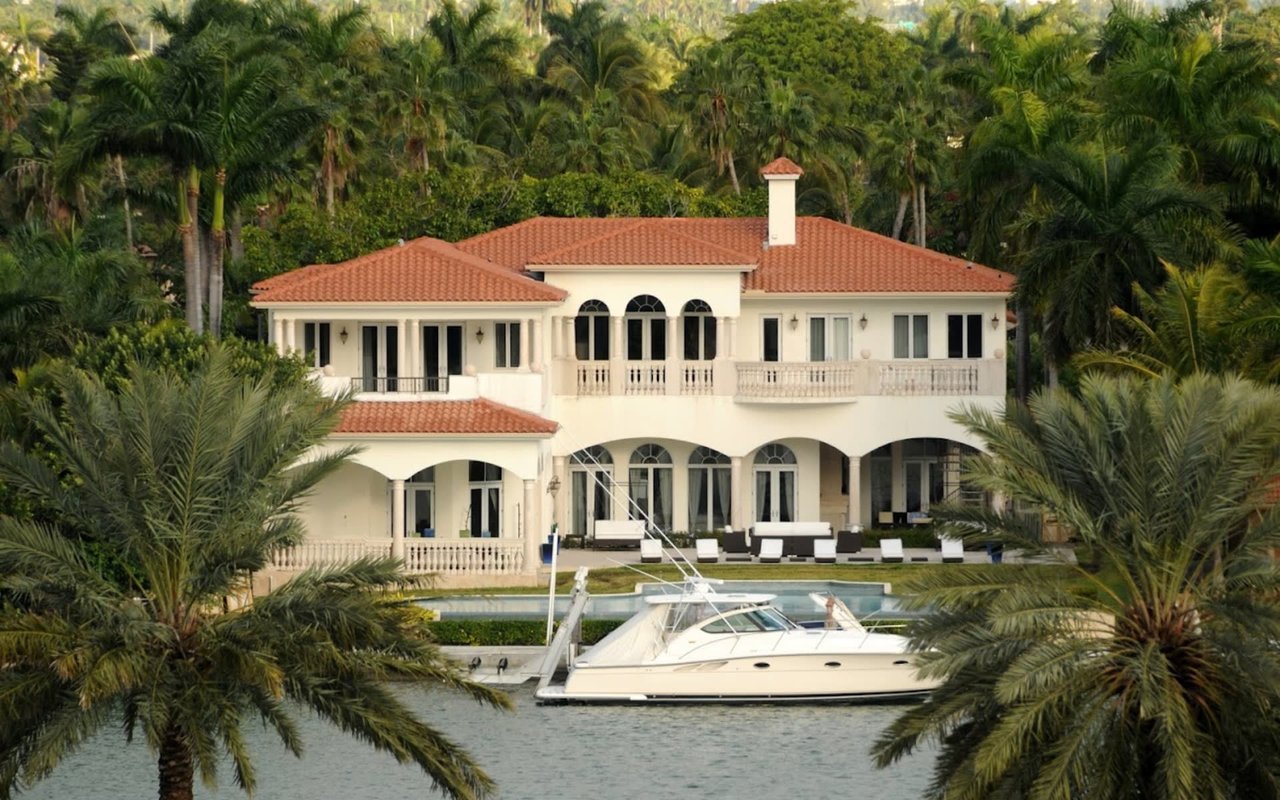
In Palm Beach, rarity is often closely connected to the island's history, architecture, oceanfront land, estate-scale properties and established sense of place.
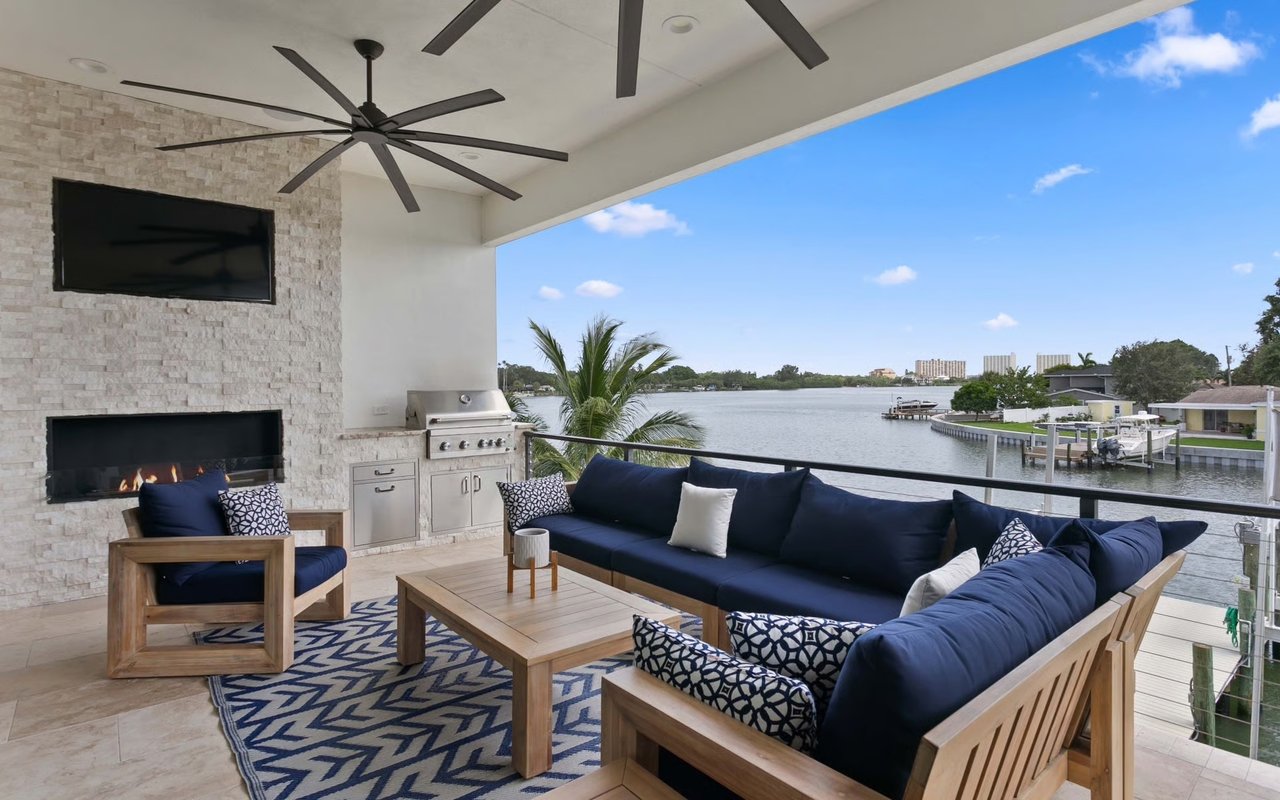
In Naples, rarity often takes a different form: Gulf frontage, waterfront access, unusually large homesites, privacy, boating utility, architectural design and the relationship between the home and its site.
There is overlap between the two.
But they have developed very different expressions of luxury.
Palm Beach: Rarity Built Over a Century
Palm Beach has something that cannot be recreated anywhere else in quite the same way: a deeply established architectural and cultural history.
The town's architectural identity was shaped by architects including Addison Mizner, Marion Sims Wyeth and Maurice Fatio. The Town of Palm Beach's Architectural Commission traces its origins to the Art Jury established in the 1920s to protect the town's architectural character.
That history continues to influence the value of property today.
Palm Beach also has a formal historic-preservation system. More than 328 landmark properties, sites and vistas are currently protected under the town's historic preservation ordinance.
That creates a form of scarcity that is difficult to manufacture.
A property isn't simply a house on an expensive piece of land.
It may be part of the architectural history of Palm Beach.
Architecture Can Become an Asset
This is one of the biggest distinctions between an expensive house and an architecturally significant property.
Consider a residence designed by a recognized architect or a property that represents an important period of Palm Beach architecture.
You can build a larger house.
You can renovate an existing kitchen.
You can install better technology.
But you cannot recreate the historical context surrounding an original architectural work.
That doesn't mean every older house is automatically more valuable.
Condition, location, land, views, restrictions and buyer demand still matter.
But provenance can become part of the value proposition.
The Town of Palm Beach specifically recognizes properties for architectural, historical and cultural significance, and its Landmark Preservation Commission reviews alterations to designated landmarks.
That makes architecture itself part of the real estate conversation.
Palm Beach Has a Different Relationship With the Ocean
Palm Beach's geography creates another layer of scarcity.
The island is narrow.
Oceanfront land is finite.
Large estate parcels are difficult to reproduce.
And a property with substantial ocean frontage, meaningful land, privacy and a desirable location can become exceptionally difficult to replace.
This is an important concept in ultra-luxury real estate.
The value isn't necessarily in having the biggest house.
It may be in controlling an extraordinary piece of land in an extraordinary location.
Naples Has Its Own Kind of Rarity
Naples shouldn't be viewed simply as a less-established version of Palm Beach.
It has a different luxury story.
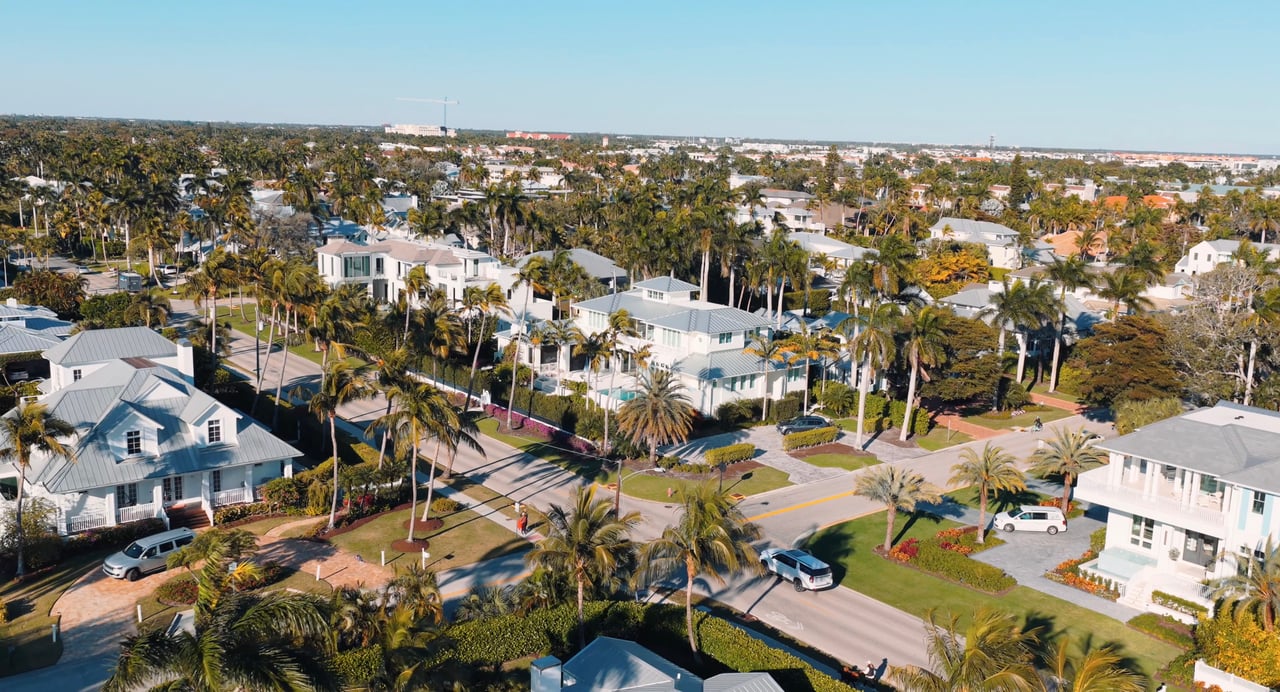
The Naples coastline and its waterfront neighborhoods create opportunities that are particularly connected to the relationship between land and water.
Old Naples.
Aqualane Shores.
Port Royal.
The Moorings.
Park Shore.
Royal Harbor.
These neighborhoods each have different relationships to the Gulf, Naples Bay, canals, beaches and the broader city. The City of Naples itself identifies these as distinct neighborhoods within the city's geography.
And within those neighborhoods, the characteristics of individual properties can vary enormously.
That is where understanding the site becomes important.
In Naples, Waterfront Does Not Mean One Thing
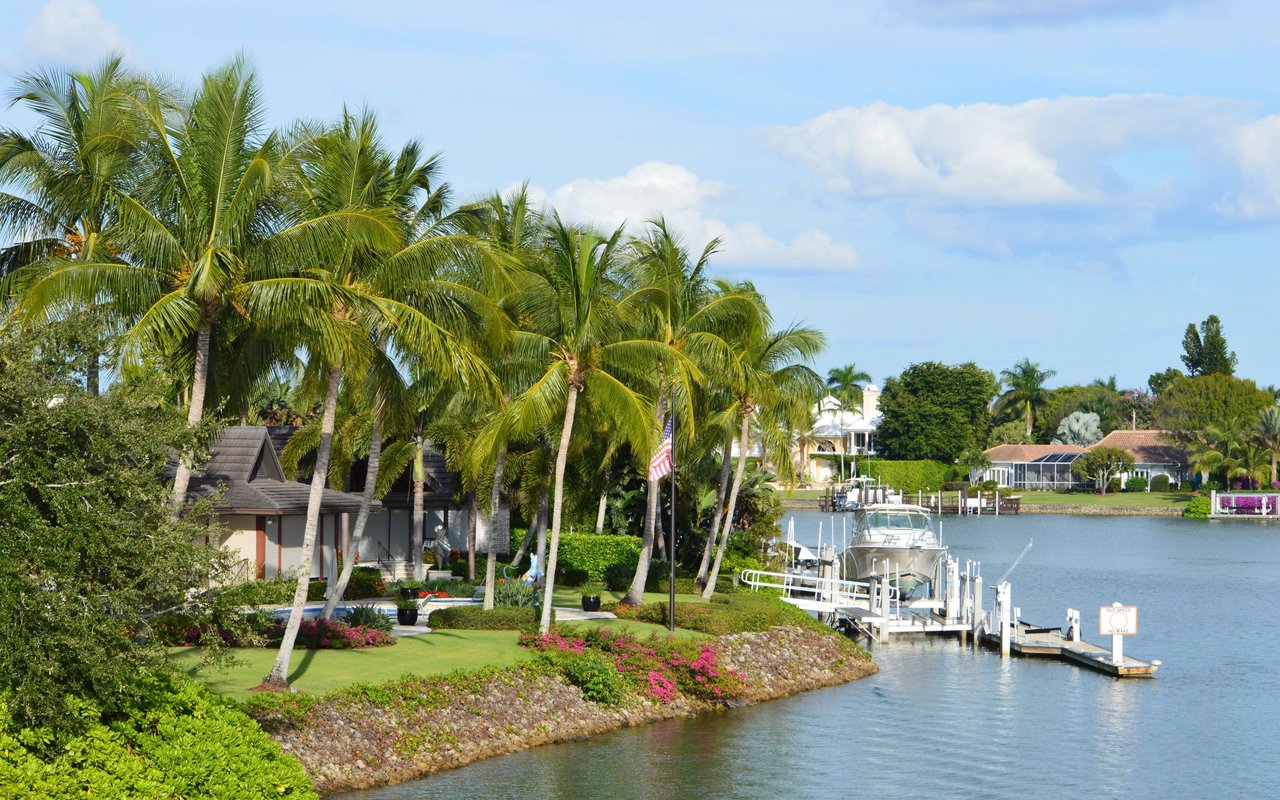
A Naples property described as waterfront could mean many different things.
Direct Gulf frontage is one category.
Bay frontage is another.
Deep-water canal frontage is another.
A smaller canal is another.
A lake view is another.
And Gulf access with or without bridge restrictions creates another layer entirely.
For a buyer who boats, these distinctions can dramatically affect the practical value of the property.
The question isn't simply:
"Does it have water?"
The better questions are:
How do you get to open water?
How much water frontage is there?
What is the depth?
Are there bridges?
What is the orientation?
What can you see from the house?
What can you do with the dock?
What condition is the seawall in?
What restrictions apply to future improvements?
This is where Naples can become particularly interesting from an ultra-luxury perspective.
The water isn't simply scenery.
It can be part of the property's function.
The Naples Lot Can Be the Luxury
One of the characteristics I find particularly interesting about Naples is the relationship between the home and the homesite.
Imagine two properties.
One has a spectacular 10,000-square-foot house.
The other has a smaller house on an unusually large, private waterfront parcel.
The first may have more rooms.
The second may have something much more difficult to find. Land.
In established coastal neighborhoods, the opportunity to acquire a large, contiguous piece of property can be exceptionally rare.
And once that land has been divided, developed or sold, it is difficult to recreate the original opportunity.
Assemblage Is an Extreme Form of Rarity
This is where the concept of assemblage becomes fascinating.
An assemblage occurs when multiple adjacent parcels are acquired and treated as one larger property.
In an established coastal neighborhood, this can be extraordinarily difficult.
The owners of neighboring parcels may have no reason to sell.
Each individual property may already be worth millions.
And once those parcels are developed separately, assembling them later can become almost impossible.
Naples has seen examples of this kind of opportunity.
The important point is not the asking price of a particular property.
It is the underlying scarcity.
If several contiguous waterfront parcels become available at the same time, the opportunity itself may be rarer than the house that sits on them.
That is a very different definition of luxury.
Privacy Has Different Expressions
Both Naples and Palm Beach place a premium on privacy.
But the way privacy is created can differ.
In Palm Beach, privacy may come from estate-scale parcels, landscaping, walls, mature vegetation and the relationship of the property to the street and neighboring estates.
In Naples, privacy can also be created through larger waterfront parcels, canal configuration, landscaping, setbacks and the relationship between the house, pool and water.
The key is to evaluate privacy from the property itself.
What do you see from the primary bedroom?
What do you see from the pool?
What do neighbors see?
How close are the neighboring structures?
Could neighboring properties be redeveloped?
How much of the privacy depends on landscaping?
Those questions are more useful than simply checking a listing box that says "private."
Views Have Different Levels of Permanence
A luxury buyer should also distinguish between a beautiful view and a difficult-to-replace view.
A Gulf view is fundamentally different from a view across a neighboring lot.
A protected preserve is different from mature landscaping on someone else's property.
A long water view is different from a narrow canal view.
The important question is:
What creates the view, and can it change?
This is one of the most important pieces of due diligence in a luxury purchase because a view can contribute substantially to the experience of a property while also being one of its most misunderstood characteristics.
Palm Beach Has Architectural Provenance
This is perhaps where Palm Beach has a particularly distinctive advantage in terms of architectural history.
The town's preservation program recognizes buildings not simply because they are old, but because they may have architectural, historical or cultural significance. The town notes that a landmark can be significant because of an important historical association, outstanding architectural design, or the work of a notable architect or master craftsman.
That creates another type of scarcity.
There can only be one original building.
Once it is demolished, the original architectural asset is gone.
That is fundamentally different from constructing another beautiful new home.
Naples Has an Opportunity of Its Own
Naples has a different architectural trajectory.
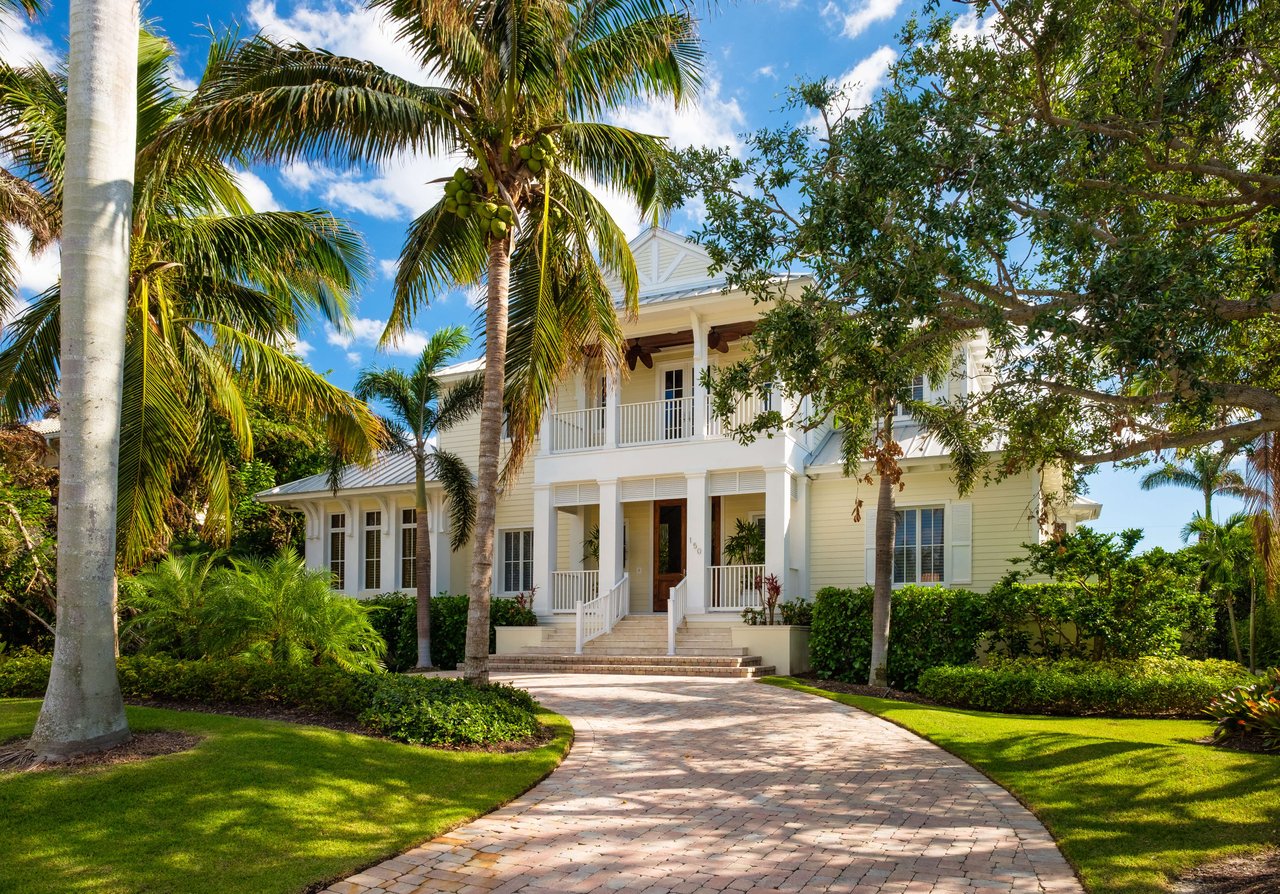
Its most interesting luxury properties increasingly demonstrate what can happen when architecture is designed specifically around the Florida environment.
Orientation.
Natural light.
Outdoor living.
Landscape.
Privacy.
Water.
Storm considerations.
Indoor-outdoor connections.
The strongest contemporary homes don't simply look modern.
They respond to their location.
And this is where I think Naples has an especially interesting future.
It doesn't need to reproduce Palm Beach's architectural history.
It can develop its own architectural language.
The Role of History vs. the Role of Site
This may be the simplest way to understand the distinction.
Palm Beach often derives rarity from history and place.
Naples often derives rarity from land, water and site.
Of course, this is not absolute.
Palm Beach has extraordinary waterfront properties.
Naples has architecturally significant homes.
Both markets have historic properties, exceptional land and highly designed new construction.
But as a general framework, it helps explain why the two markets feel different.
What Happens at the Very Top of the Market?
As properties become more expensive, conventional measurements become less useful.
Price per square foot can tell you something.
Square footage can tell you something.
Number of bedrooms can tell you something.
But they don't tell you whether a property is replaceable.
At the ultra-luxury level, I would start asking different questions.
How many properties in this market have this exact location?
How many have this amount of land?
How many have this type of waterfront access?
How many have this degree of privacy?
How many have this view?
How many have this architectural provenance?
Could another buyer create the same property today?
And perhaps the most important:
If this property disappeared from the market tomorrow, what would actually replace it?
If the answer is "there are several similar properties," it may be luxurious.
If the answer is "almost nothing," you are beginning to understand rarity.
Two Different Definitions of Ultra-Luxury
Palm Beach and Naples don't need to compete on the same definition of luxury.
Palm Beach has built an extraordinary identity around architecture, history, oceanfront estates and a highly protected sense of place.
Naples has developed a different expression around coastal living, waterfront land, boating, privacy, architecture and the relationship between the house and its environment.
That distinction is what makes comparing the two so interesting.
Palm Beach demonstrates how history can become scarcity.
Naples demonstrates how land, water and site can become scarcity.
And in both markets, the rarest properties ultimately share the same characteristic:
They offer something that money cannot simply manufacture somewhere else.
That, to me, is the real definition of ultra-luxury.
Not more. Rarer.
Shannon Bisnaire
Real Estate Advisor | Resort & Second Property Specialist
Saltwater Luxury Group
John R. Wood Properties | Christie’s International Real Estate