The Architecture of Naples: From Old Florida to Coastal Contemporary
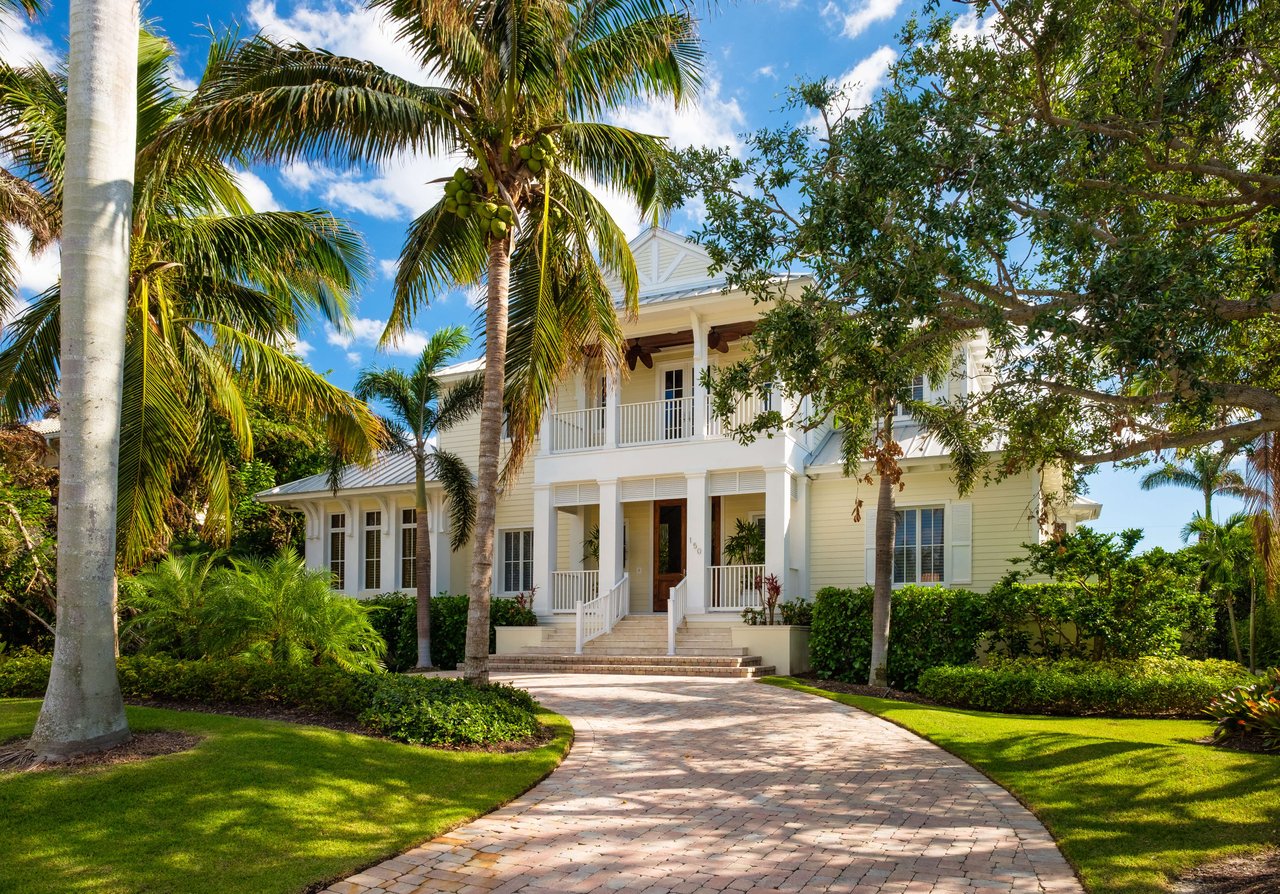
One of the things I find most interesting about Naples is that you can see the evolution of Florida architecture simply by driving through its neighborhoods.
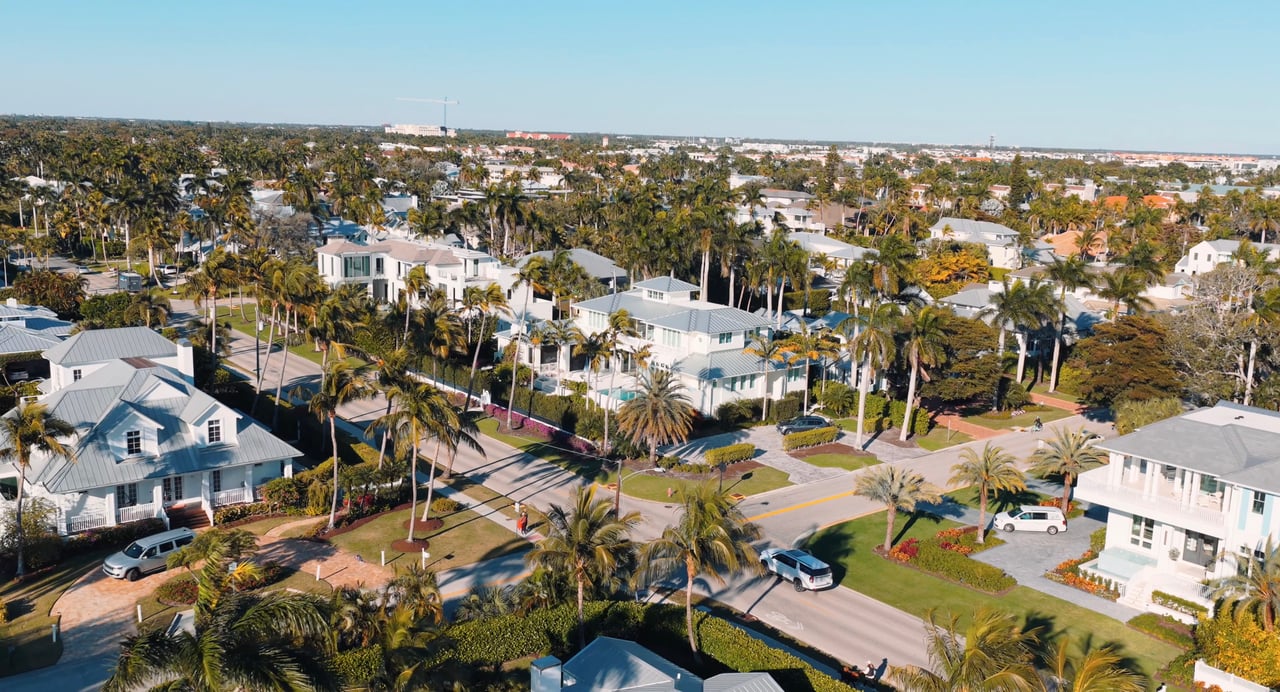
There are modest Old Florida cottages tucked beneath mature trees, mid-century homes that reflect another era of Florida living, Mediterranean-inspired estates, and increasingly, sophisticated contemporary homes designed around light, landscape and indoor-outdoor living.
They all tell a story.
And together, they explain how Naples has evolved.
The Early Character of Naples
Some of the older homes in Naples have a simplicity that I find particularly appealing.
They weren't necessarily designed to impress.
They were designed for Florida.
Porches, shaded outdoor spaces, generous windows and relatively simple forms allowed people to take advantage of the climate before air conditioning transformed the way homes were designed.
There is something very authentic about that approach.
The architecture responds directly to the environment.
The Rise of the Florida Ranch
As Naples developed, the Florida ranch became another important part of the residential landscape.
Low-pitched roofs, single-story living, broad footprints and connections to the yard reflected a more casual way of life.
Many of these homes were built during a period when Florida was becoming increasingly accessible to people from around the country.
Some have since been renovated.
Others have been substantially remodeled.
And many have been replaced entirely.
That transition is particularly visible in areas such as Naples Park, where older homes and new construction can exist side by side.
Mediterranean Influence
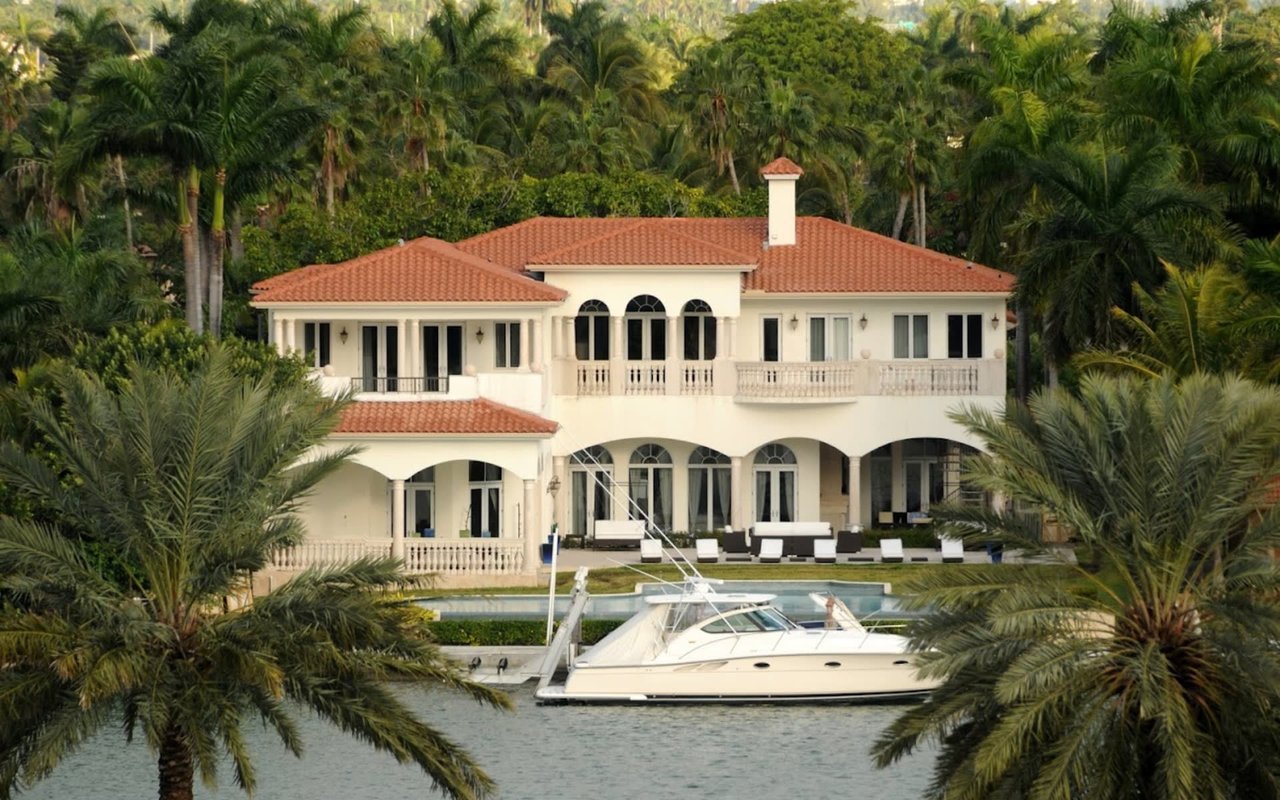
For many years, Mediterranean and Mediterranean Revival architecture became closely associated with luxury in Southwest Florida.
Stucco exteriors, tile roofs, arches, columns, courtyards and ornate details created a distinctly resort-like aesthetic.
The style made sense in many ways.
It communicated warmth, permanence and a connection to the architecture of coastal European destinations.
But architecture is always evolving.
And what once represented the height of luxury doesn't necessarily define luxury today.
A Shift Toward Coastal Contemporary
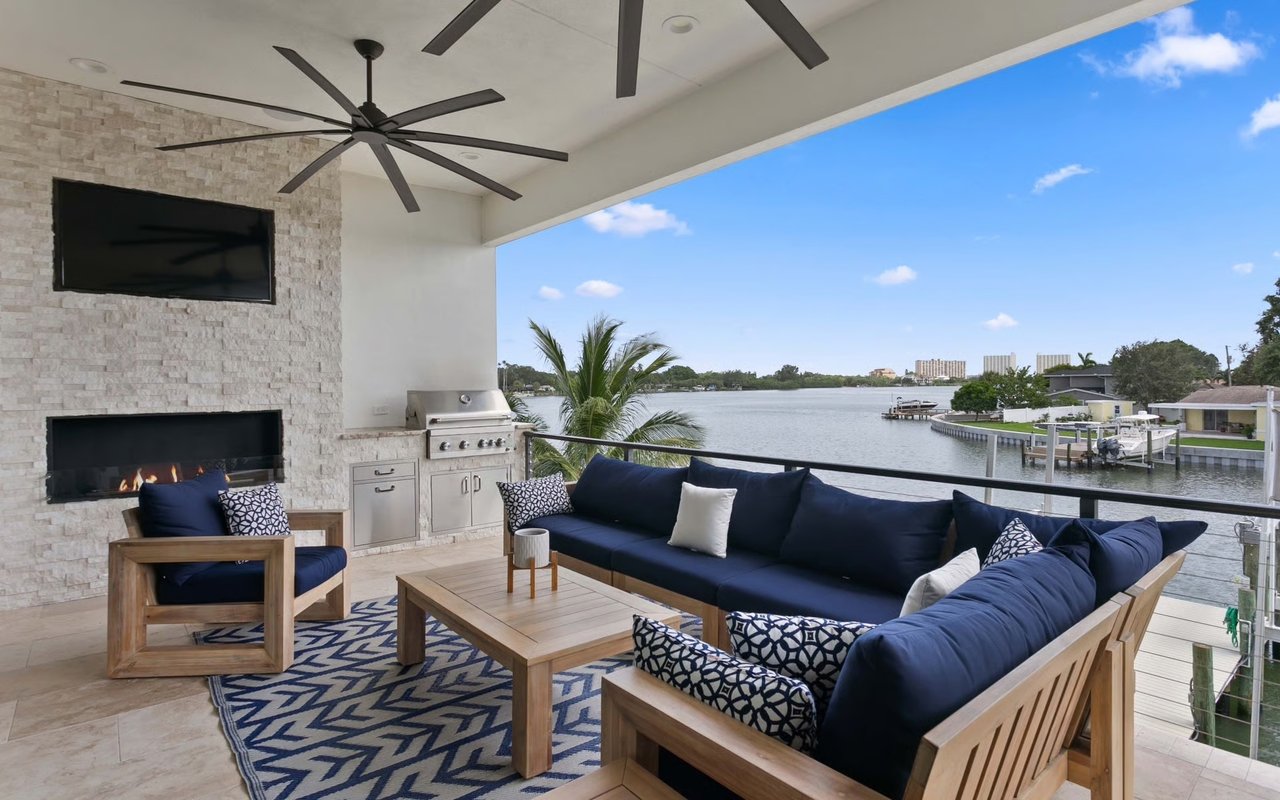
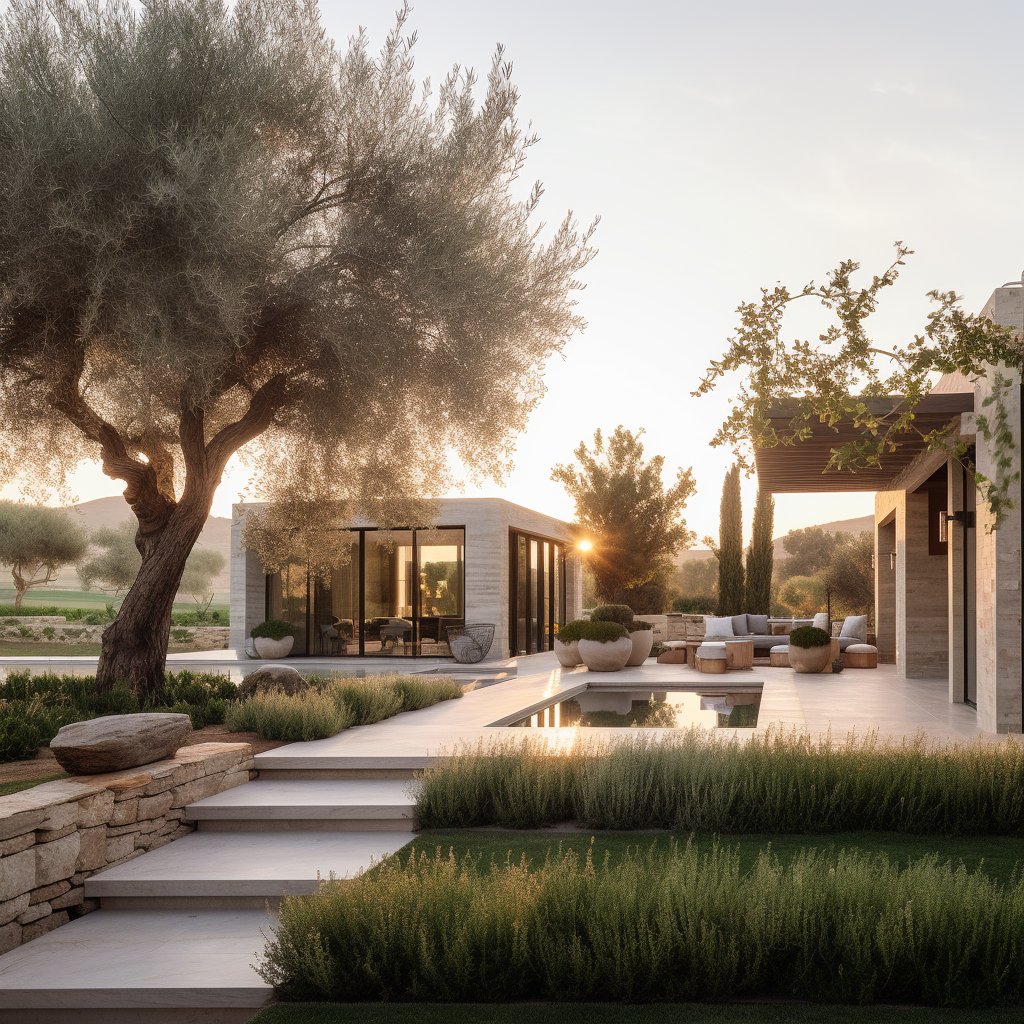
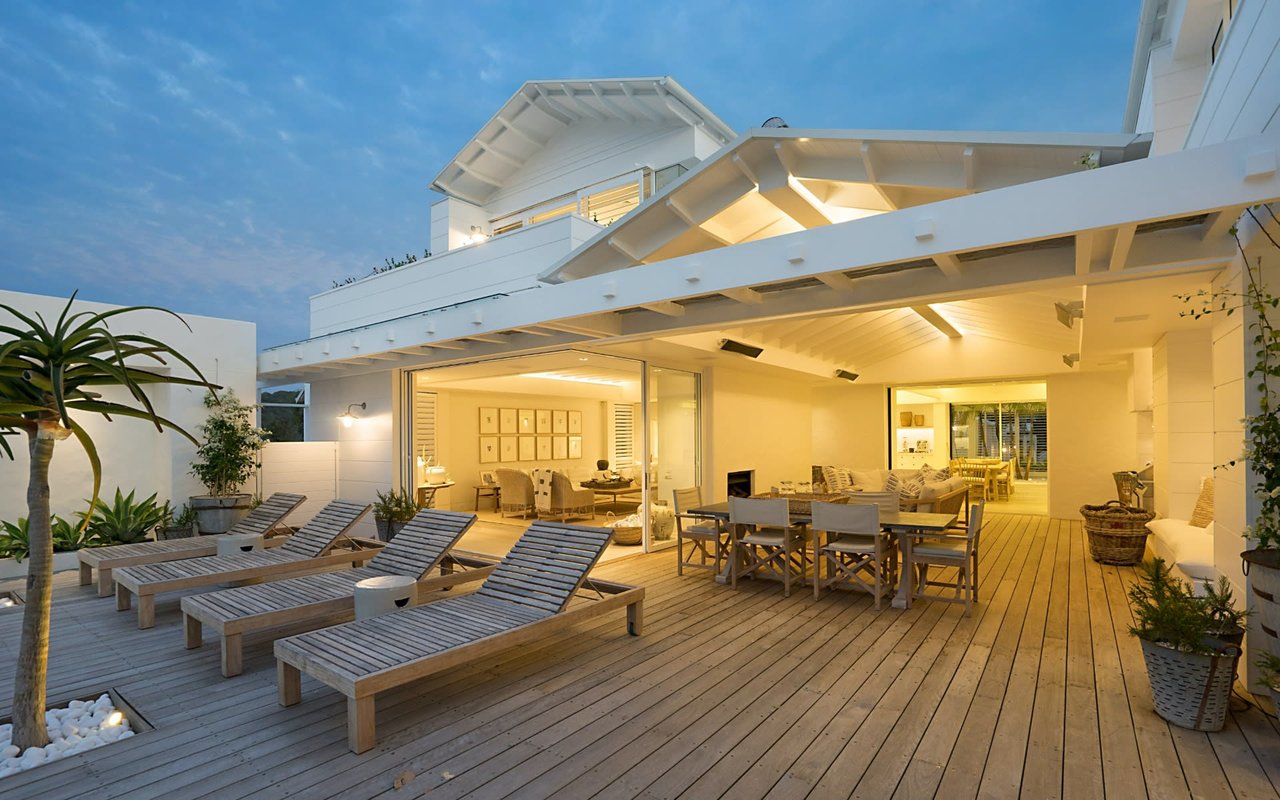
More recently, I have noticed a growing interest in coastal contemporary architecture.
The language is different.
Cleaner lines.
More restrained materials.
Larger expanses of glass.
Natural textures.
Simplified forms.
And a much stronger relationship between the interior and exterior spaces.
The goal isn't necessarily to make a home look modern for the sake of being modern.
It is to create a home that responds to how people live in Florida today.
Florida Light Changes the Architecture
One of the reasons I find contemporary Florida architecture so interesting is the role of light.
The Florida sun is intense, and architects have to work with it.
Overhangs, covered terraces, window placement, orientation and landscaping can all influence how a home experiences the sun throughout the day.
At the same time, large windows and glass doors can bring an incredible amount of natural light into the interior.
The challenge is finding the balance.
Too much exposure can make a space uncomfortable.
Too little can disconnect the home from its surroundings.
Good design considers both.
The Landscape Has Become More Important
Another change I find interesting is the increasing integration of landscape and architecture.
In older homes, landscaping may have been something added after construction.
Today, the two are often considered together.
Trees can frame architecture.
Plantings can create privacy.
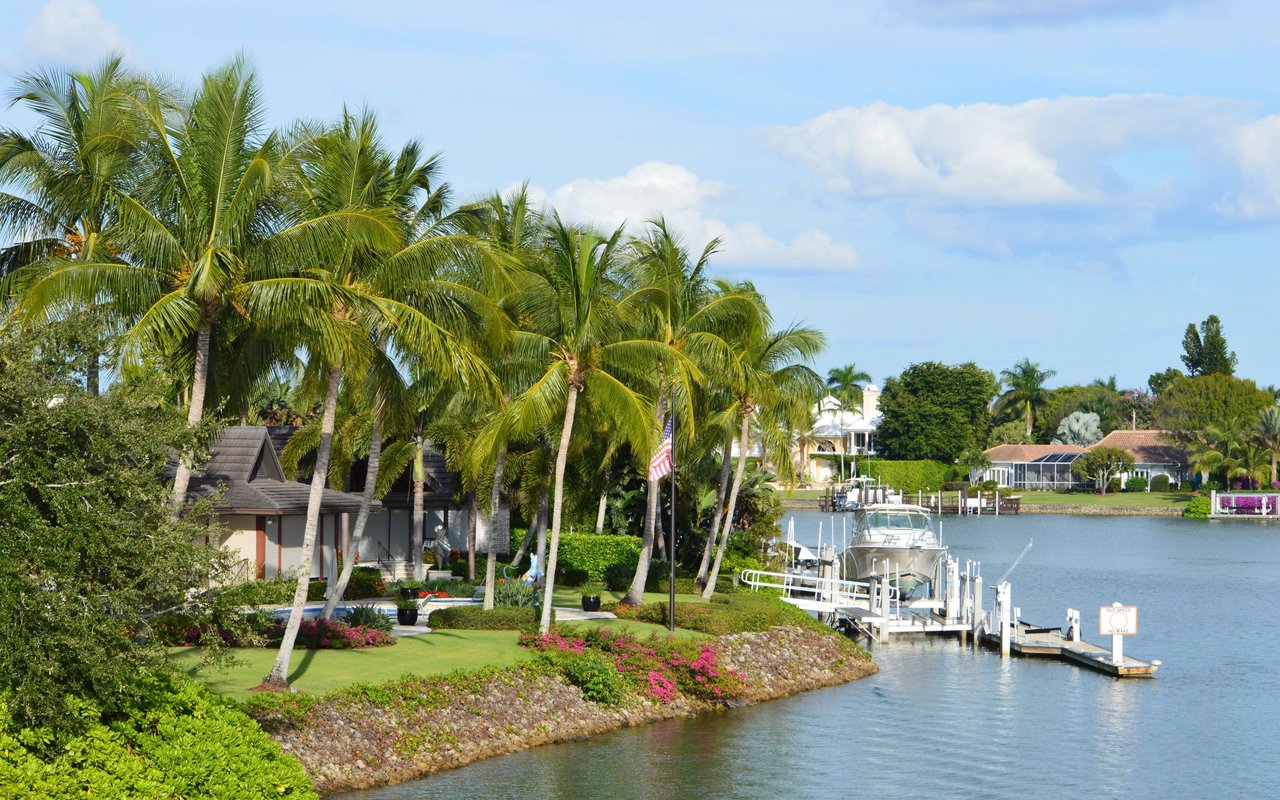
Water can become part of the visual composition.
Outdoor rooms can extend the living space.
The result is a home that feels more connected to its site.
Naples Architecture Is Becoming More Personal
I don't think there is one architectural style that defines modern Naples.
And I hope there never is.
The most interesting homes aren't necessarily the ones that follow the latest trend.
They are the ones that understand their surroundings and have a clear point of view.
Some homeowners are drawn to traditional architecture.
Others want clean contemporary lines.
Some want the warmth of Mediterranean design.
Others want something that feels almost completely immersed in the landscape.
There is room for all of it.
What I Notice When Looking at a Naples Home
Because of my background around architecture and design, I tend to look beyond the obvious when I walk through a property.
I notice how the house sits on the lot.
How the rooms connect.
Where the natural light enters.
How the windows frame the views.
Whether the outdoor spaces feel like an extension of the home.
Whether the materials feel appropriate for the architecture.
And perhaps most importantly, whether the house feels like it belongs where it is.
That last part is difficult to define, but you know it when you experience it.
Architecture and the Future of Naples
Naples will continue to evolve.
Older homes will be renovated.
Some will be replaced.
New communities will develop.
Architectural styles will continue to change.
But I think the most successful future homes will take something important from the past while responding to the way we live now.
They may be contemporary, but still warm.
They may be sophisticated, but still relaxed.
They may be highly designed, but still feel connected to Florida.
That balance is what makes the evolution of Naples architecture so interesting to me.
A City Told Through Its Homes
Architecture is more than a collection of styles.
It reflects the people who live here, the climate they live in and the way the city itself has changed.
When you look closely, the story of Naples is written in its homes.
From the simplicity of Old Florida cottages to the clean lines of today's coastal contemporary residences, each era has left its mark.
And I think that makes exploring Naples real estate special and rewarding.
Shannon Bisnaire
Real Estate Advisor
Saltwater Luxury Group
John R. Wood Properties | Christie’s International Real Estate