Coastal Contemporary Architecture: A New Expression of Florida Living
I've always been drawn to the way architecture can change the experience of a place.
Perhaps that's inevitable. I've spent much of my professional life around architecture, design and the marketing of beautiful spaces, and I'm married to an architectural designer who has spent his career immersed in Florida architecture. It means architecture tends to be a big part of our lives.
Living in Southwest Florida for 13 years, I've also watched the architecture here evolve.
And one of the styles I find particularly interesting is coastal contemporary.
It feels distinctly Florida without relying on the predictable language of "coastal" design.
There are no seashells required. No nautical theme. No need to cover everything in blue and white.
Instead, the connection to the coast comes through light, proportion, materials, landscape and the way the home opens itself to the outdoors.
So, What Exactly Is Coastal Contemporary?
There isn't one formula.
To me, coastal contemporary is less about a specific architectural style and more about a thoughtful response to the environment.
It often incorporates clean lines, expansive windows, natural materials, open living spaces and a strong relationship between the interior and exterior.
But what makes a home successful isn't simply checking those boxes.
It's how they work together.
A beautifully designed coastal contemporary home can feel calm and effortless. The architecture doesn't compete with the landscape. Instead, it creates a framework for experiencing it.
The view becomes part of the room.
The pool becomes part of the architecture.
The lanai becomes another living space.
And natural light becomes one of the most important elements in the home.
Florida Changes the Way We Live
One of the things I appreciate most about good Florida architecture is that it understands our lifestyle.
Here, the distinction between inside and outside can be much less defined.
We open the doors.
We live on the lanai.
We entertain outside.
We move from the kitchen to the pool to the living room without necessarily thinking of those as separate spaces.
The best homes embrace that.
Rather than treating the outdoor areas as an afterthought, they are considered from the beginning.
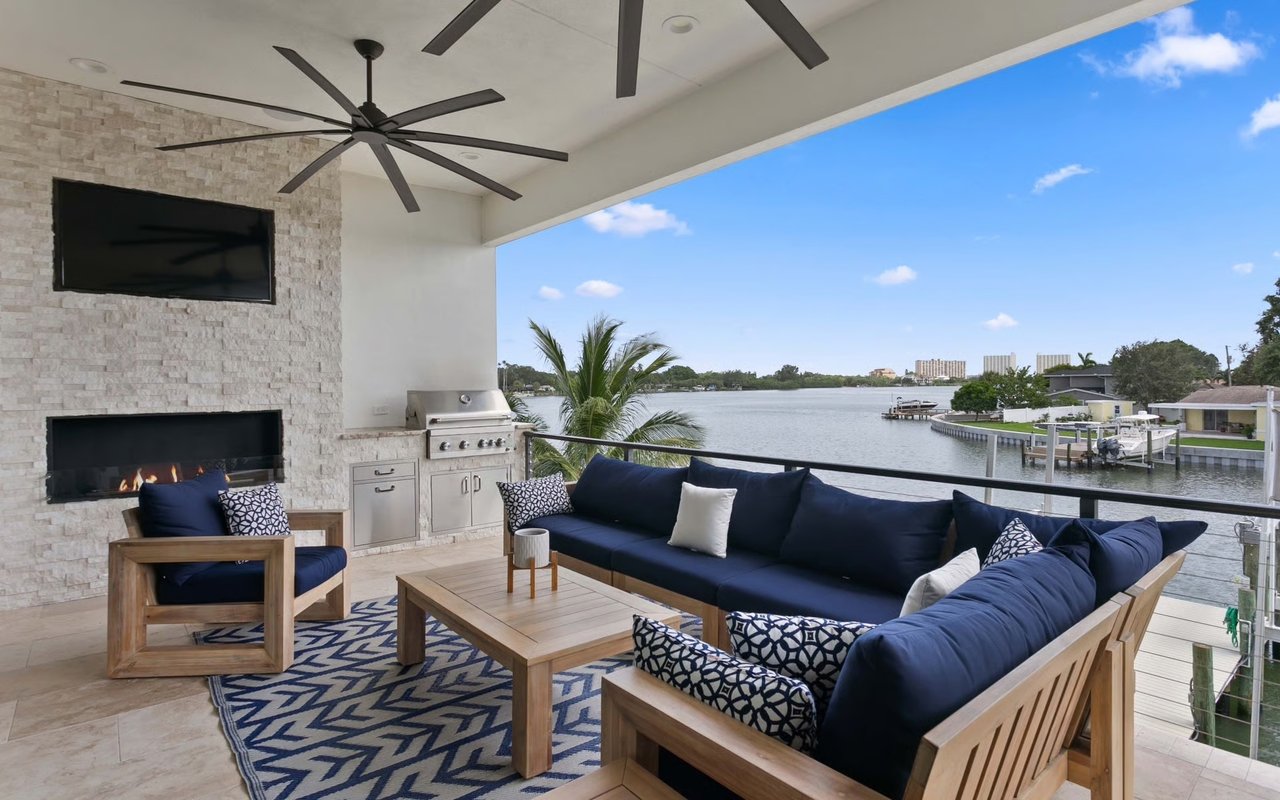
A covered terrace might extend the living room.
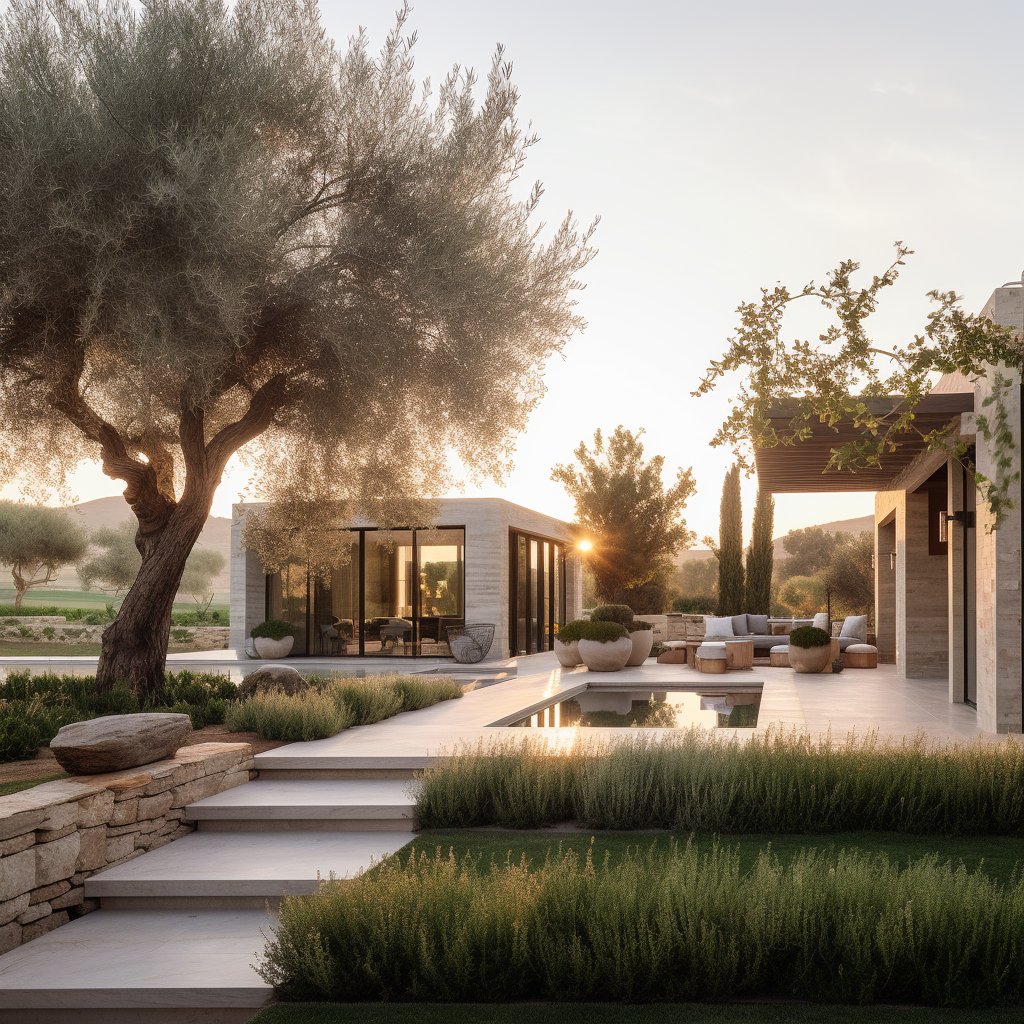
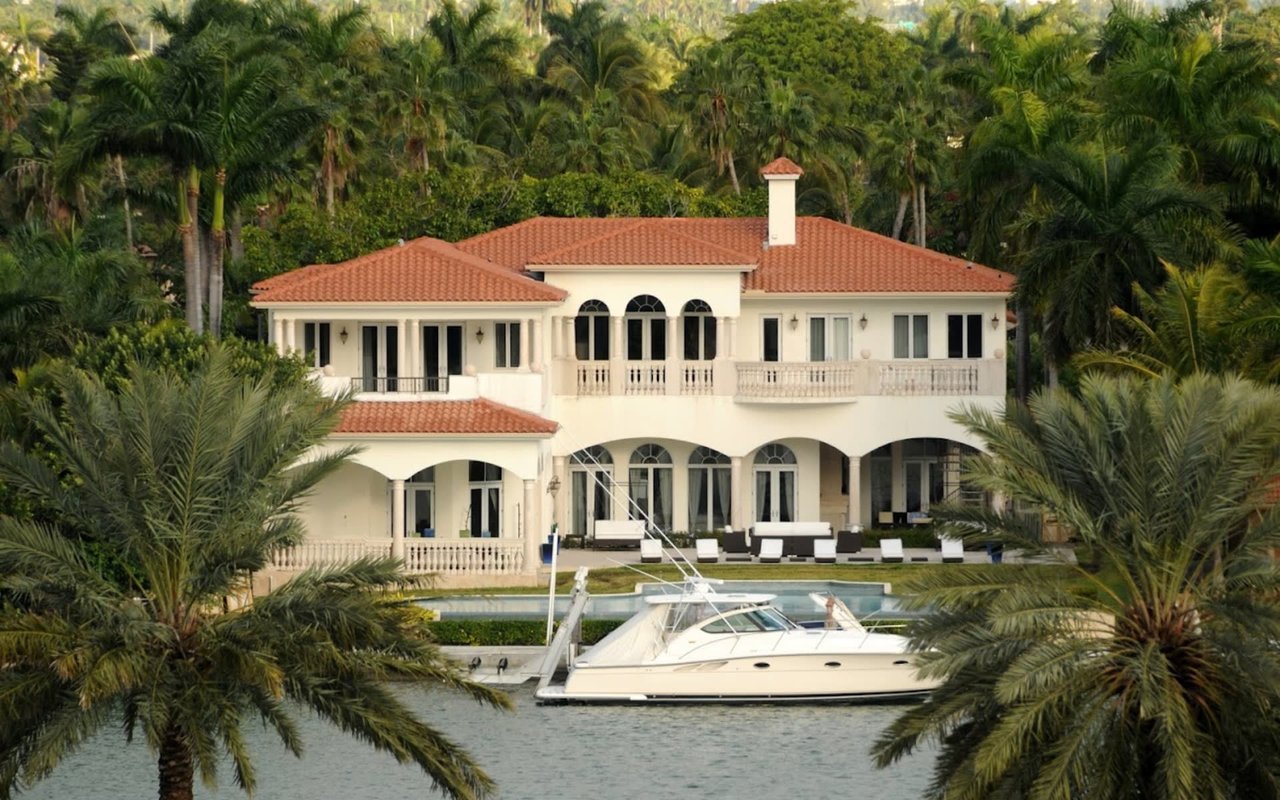
A pool might establish the visual axis of the house.
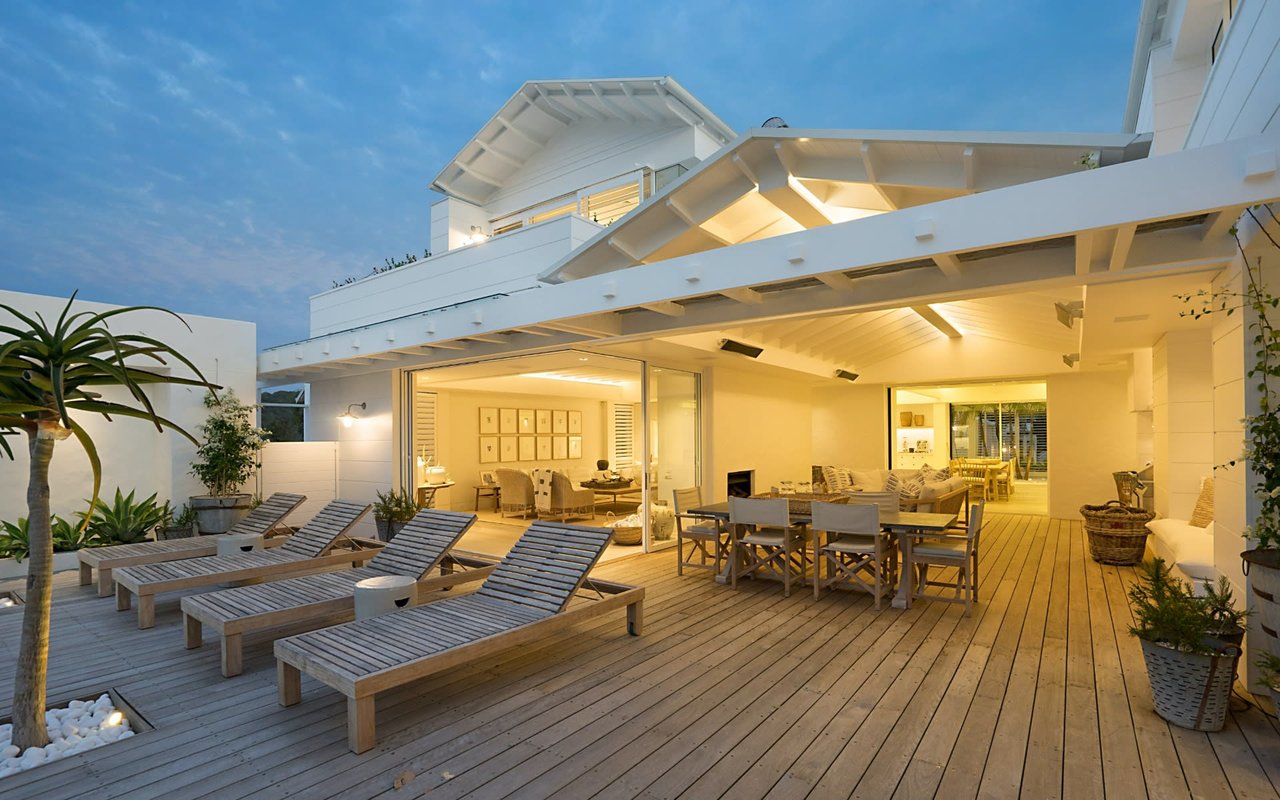
Large sliding doors might allow the entire rear of the home to open toward the landscape.
It can make a home feel considerably larger than its square footage suggests.
Light Is One of the Most Beautiful Materials
Florida light is different.
It's bright, warm and constantly changing.
Good architecture knows how to use it.
Windows aren't simply openings in a wall. Their placement can determine what you see, how a room feels and how the light moves throughout the day.
A well-positioned window can frame a palm tree or a garden.
A wall of glass can bring the landscape into a living room.
Clerestory windows can introduce light while maintaining privacy.
Deep overhangs and carefully considered shading can help control that intense Florida sun.
These are the details I find particularly fascinating because they aren't always obvious when you first walk into a house.
You simply know that the space feels good.
The Materials Are Usually Quiet
Coastal contemporary architecture tends to favor materials that feel natural rather than overly decorative.
The palette doesn't have to be complicated.
In fact, I think some of the most beautiful homes are the ones where there is restraint.
A few materials, used thoughtfully and repeated throughout the home, can create a sense of continuity.
There is something very luxurious about that kind of restraint.
It doesn't need to announce itself.
Coastal Doesn't Have to Mean "Beachy"
This is perhaps my favorite part.
When people hear "coastal," they sometimes imagine a very specific aesthetic.
Blue and white.
Nautical accessories.
Rattan everywhere.
A house that looks like it belongs on a beach vacation postcard.
But coastal architecture can be much more sophisticated than that.
A home can feel completely connected to the Gulf Coast without looking themed.
It might use warm natural wood, soft stone, textured walls and expansive glass.
The connection to the coast comes from the way the home responds to its surroundings, not from decorative references to the ocean.
That distinction is important.
The Landscape Is Part of the Architecture
Another detail I notice is how the landscape interacts with the home.
In a well-designed property, landscaping isn't simply something added after construction.
It helps shape the experience.
Plantings can create privacy.
Trees can frame a view.
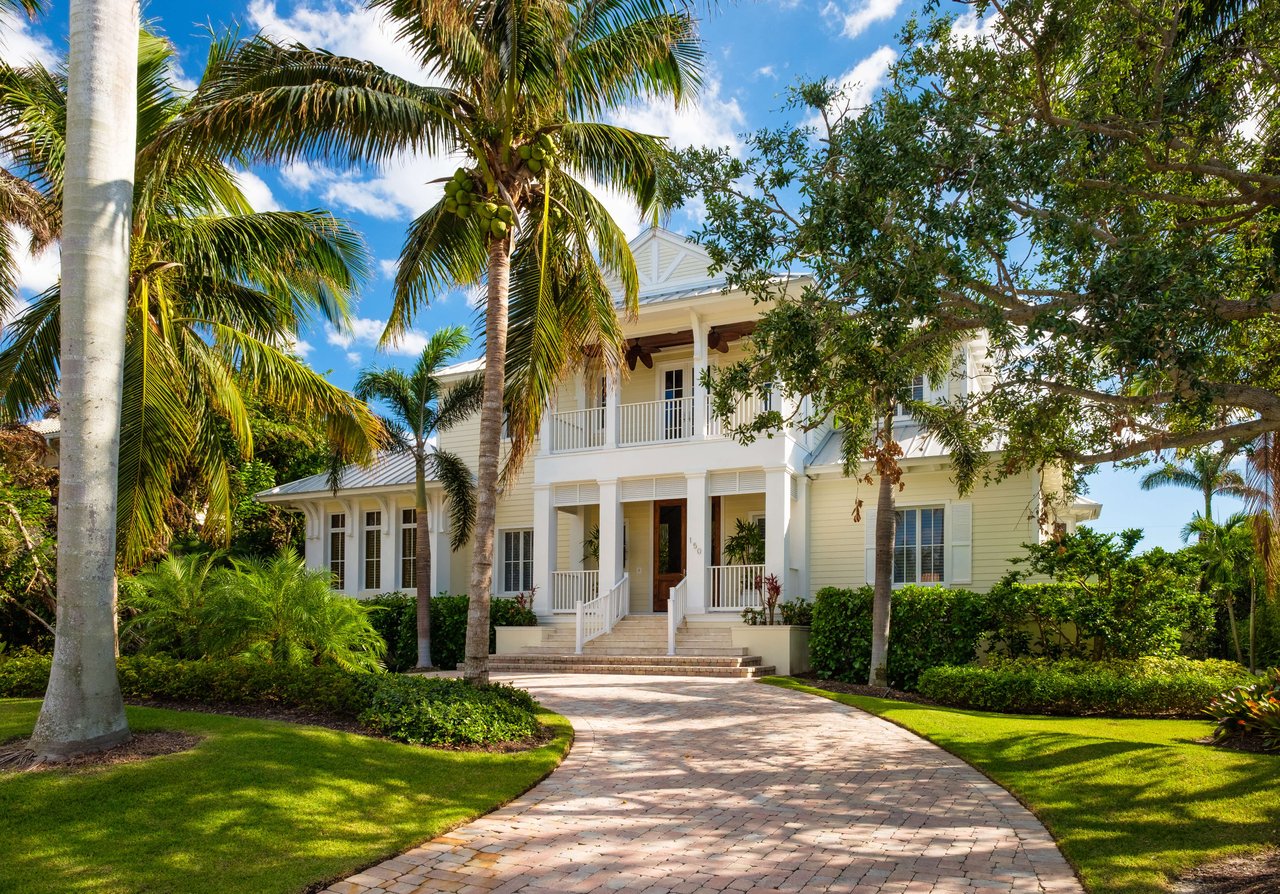
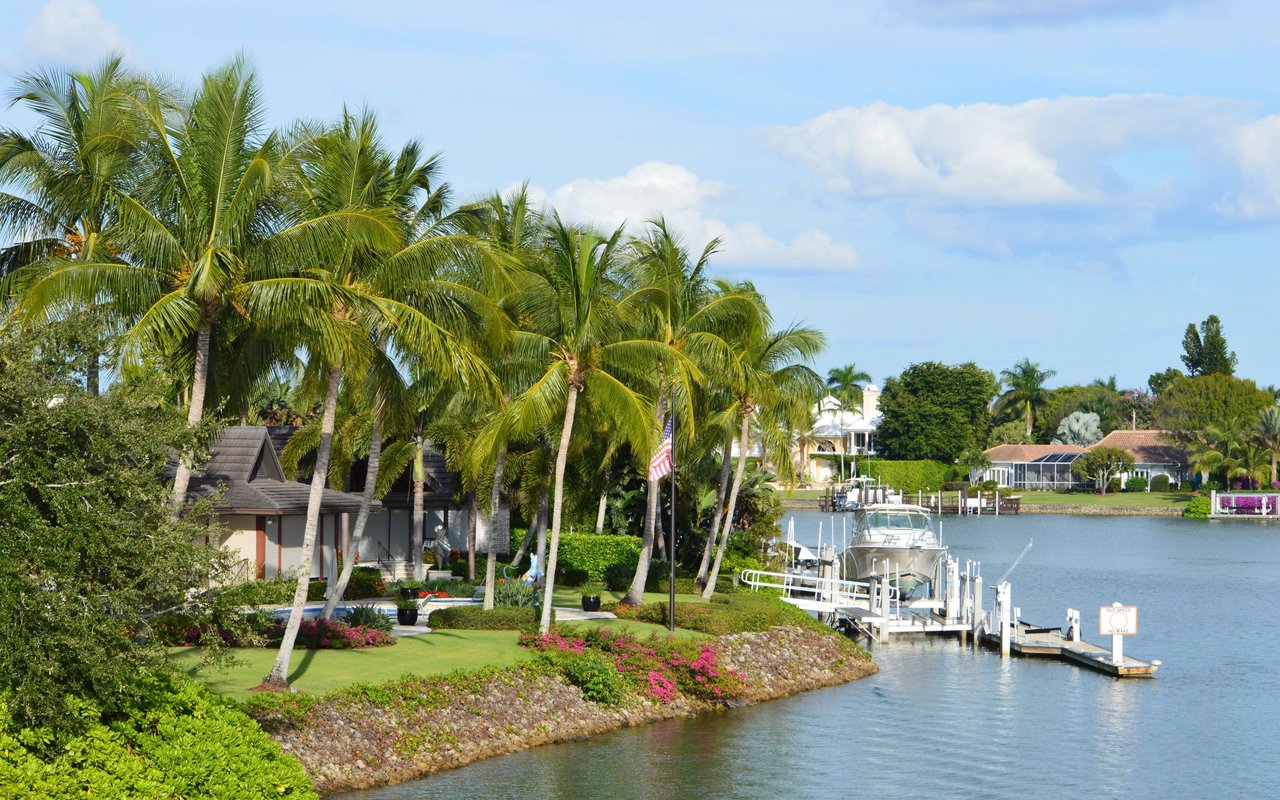
A row of palms can establish an entrance.
Tropical greenery can soften a strong architectural form.
And a carefully positioned pool can become the center of the composition.
When everything works together, the house doesn't feel like a structure placed on a lot.
It feels like the property was designed as a whole.
Why I'm Drawn to This Style
I think part of what appeals to me about coastal contemporary architecture is its sense of confidence.
It doesn't need to be overly decorated.
It doesn't need to be enormous.
And it doesn't need to follow a trend simply because it's popular.
The best examples are thoughtful.
They consider the site.
They consider the climate.
They consider how people actually live.
And they make the most of the setting.
Having spent years around architecture and design, I've come to appreciate that those decisions can make an enormous difference in how a property feels.
It's often the things you don't immediately notice that make the biggest impression.
The proportion of a room.
The alignment of a doorway.
The way a ceiling changes as you move through the house.
The placement of a window.
The relationship between a pool and the living spaces.
The way materials transition from inside to outside.
Those details are easy to overlook.
But together, they create the experience of the home.
What This Means for Luxury Real Estate
When I look at a property, I don't see only the number of bedrooms, the square footage or the list of finishes.
I'm interested in how all of those things come together.
How does the house sit on the land?
How does it respond to the Florida climate?
Where does the light enter?
How does the architecture connect to the outdoor spaces?
Does the design feel appropriate for its setting?
And perhaps most importantly, how does the home make you feel when you're there?
Those qualities can be difficult to quantify, but they are often what separates a house that is simply impressive from one that is genuinely memorable.
The Future of Florida Architecture
I think we're going to continue seeing coastal architecture become more refined.
Less decorative.
More connected to the landscape.
More intentional about light and materials.
More focused on outdoor living.
And perhaps a little less interested in telling us what a "coastal" home is supposed to look like.
That feels like a good thing.
Florida has its own architectural identity.
The most interesting homes aren't necessarily trying to imitate somewhere else. They're responding to the place they're actually in.
And that's what I love about coastal contemporary architecture.
It feels modern without feeling cold.
It feels luxurious without needing to be showy.
And it feels distinctly Florida without being predictable.
For me, that's where architecture becomes especially interesting: when the design, the landscape and the way we live all come together naturally.
That is the kind of coastal living I find most compelling.
Shannon Bisnaire
Real Estate Advisor
Saltwater Luxury Group
John R. Wood Properties | Christie’s International Real Estate